
Residential cooking fats, oil and grease
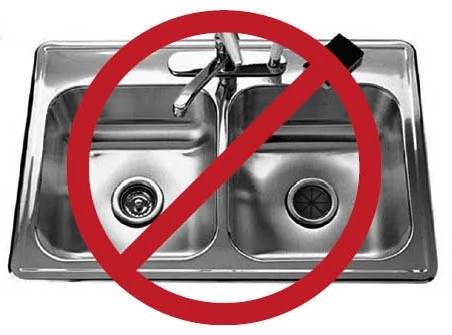
Fats, cooking oils, and grease (FOG) can coat and clog pipes and cause sewer lines to back up into homes. Sewer blockages can be a direct result of fats, oils, and grease (FOG) that you may be unknowingly discharging into the sewer system.
"FOG" can also cause blockages further down sewer lines, creating system overflows as well as disrupting wastewater treatment processes with detrimental results. These blockages are a serious problem that can lead to a hazardous sewage spill. The blockages can be caused by a buildup of FOG that creates a clog in the sewer pipe.
To prevent these problems, we encourage you to dispose of these cooking by-products safely. Here are some alternative disposal suggestions that will reduce your impact on Bear Valley's wastewater infrastructure.
How to properly dispose of fats, oils and grease
Your help is needed to stop these blockages from occurring. In order to stop sewer blockages, please properly dispose of fats, oils, and grease by following these simple instructions:
- Never pour fats, oils, and grease down the sink or garbage disposal.
- Before washing, scrape and dry-wipe pots, pans, and dishes with a paper towel and dispose of it in the trash.
- Use the grease can and plastic liners provided to collect all your excess fats, oils, and grease.
- Place the plastic liner inside your grease can.
- Cool fats, oils, and grease and pour into the grease can.
- Mix fats, oils, and grease with other absorbent material like paper towels, kitty litter, or coffee grounds.
- Once the grease can is full, remove and tightly secure the liner. Place it in the trash along with other absorbent material like paper towels, kitty litter, or coffee grounds.
The removal of a grease blockage and the cleanup associated with a sewage spill is very expensive and may result in liability and property damages. Sewage spills also harm the environment and cause trail closures.
Thank you for your help in preventing sewer blockages and spills.
Commercial restaurants grease control
BVWD helps restaurants and other food facilities control grease. Get free information about best management practices, grease trap maintenance and grease interceptor maintenance.
Call us at 209.753.2112 or email the FOG Program Manager at [email protected].